The 2021 Australasian Rolex Scholar
AMELIA (MILLIE) MANNERING
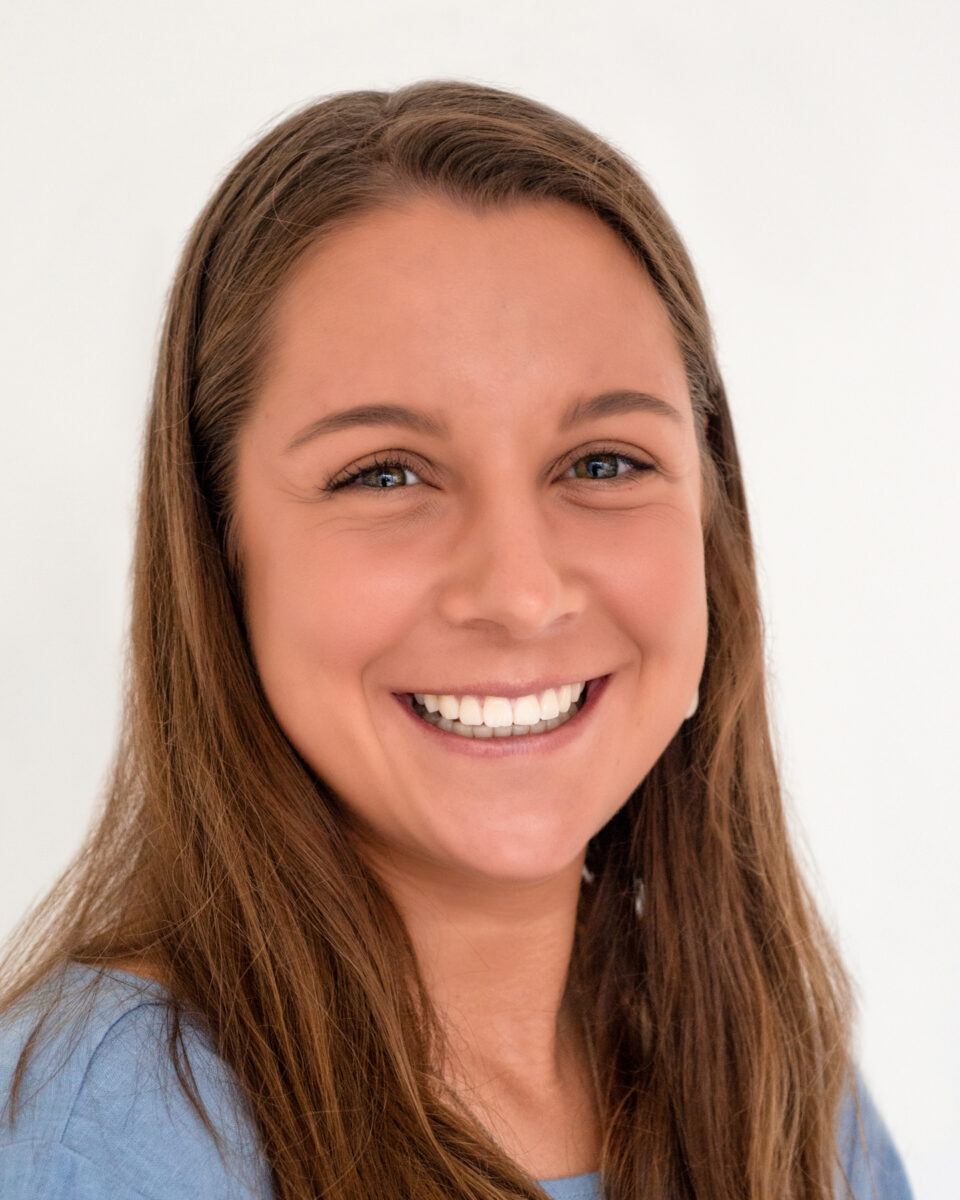
An upbringing filled with adventure has given Millie the opportunity to explore some of New Zealand’s most remote coastal and alpine areas. From a young age, the enchanting marine world captivated her. Millie’s fascination began with the discovery of alien-like species in shallow rockpools and the excitement and curiosity to understand the underwater world has only continued to grow.
At 17, Millie enrolled in a Bachelor of Science in Zoology and Marine Science at the University of Otago, New Zealand. As Millie studied and learnt to dive, her desire to protect the marine environment and its inhabitants was ignited. She has investigated the effect of anthropogenic activity on marine ecosystems through bioacoustics research at Leigh Marine Laboratory as well as oceanographic research in Doubtful Sound, Fiordland. Millie also was a volunteer for the Department of Conservation on various conservation projects on predator-free islands surrounding the mainland of New Zealand. In 2018, Millie was selected as a BLAKE Ambassador to sail on board the research schooner, Tara, from Panama to New York as part of an expedition led by the Tara Oceans Foundation. During this voyage, she worked with an international collaboration of scientists to conduct ocean biodiversity research. Greatly disturbed by the extent of plastic pollution she witnessed, her drive to protect our oceans was reinforced.
Millie pursued a Master of Science (Marine Science) degree at the University of Otago with field work based at the Lizard Island Research Station, Great Barrier Reef. Her research examined the impact of microplastic exposure on predator-prey interactions of coral reef fish. Based on her academic merit and research potential, she was awarded a University of Otago Master’s Research Scholarship as well as the John Jillett Prize for the best thesis proposal. Millie also represented New Zealand through her selection as a delegate on the 32nd Ship for World Youth Programme in 2020. Whilst sailing aboard the Nippon Maru from Japan to Mexico, she fostered her leadership capability and gained a global perspective on environmental issues and solutions.
Millie has recently completed her MSc whilst working as a research assistant at the University of Otago. Millie has enjoyed gaining more diving experience whilst also training to obtain her Scientific Diver qualification and preparing research manuscripts for publication. Millie is honoured to be selected as a 2021 OWUSS Rolex scholar. She is eager to begin her journey and especially to upgrade her diving qualifications and develop her competency as a scientific diver. Millie is looking forward to learning more about future strategies for marine conservation and research, including the advancements in technology and the resulting integration into protection plans. She hopes to use her scholarship year to discover how to best contribute towards the conservation and preservation of our incredible underwater world.
The 2019 Australasian Rolex Scholar
Joanna Smart
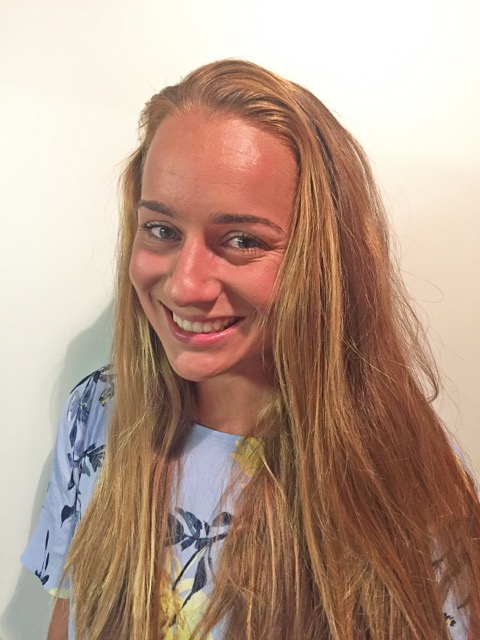
I was born in the seaside town of Hobart, Tasmania where the ocean formed an integral part of my life from an early age. My parents passed their passion of the marine environment on, encouraging my sister and I to explore the coastline where we spent time finding sea creatures in rocks pools, fishing and snorkelling in through the kelp forests. By the age of 13, I was eager to spend longer underwater and gained my scuba license. Scuba diving became an instant passion and spent my weekends diving around Tasmania’s coastlines exploring all the wonders of the Great Southern Reef.
During my high school years, I relished every opportunity to continue to learn about the underwater world. I completed my advanced open water and rescue diver, and then undertook my Divemaster certification. In year 11, I undertook an Independent research project for my Tasmanian Certificate of Education exploring the impacts of invasive marine pests in
Tasmanian waters. I balanced my schooling with a passion for swimming, where I spent several years with the Tasmanian Institute of Sport. Towards the end of my high school years moved this passion to the ocean, where I joined the local surf life saving club and later went on to win the Tasmanian Iron Woman Championship in 2016.
After completion of year 12, I won an academic scholarship at the University of Tasmania. My time scuba diving had only intensified my passion for the marine environment. Over the years, I have seen the Tasmanian marine environment change due to ocean warming and invasive pests, most significantly with the loss of the kelp forests I had spent my childhood exploring. So, being surrounded by such a vibrant and active marine science community in Hobart with the Australian Antarctic Division and the Institute for Marine and Antarctic Studies (IMAS), I was thrilled to commence a degree in Marine and Antarctic Science, majoring in Marine biology. I jumped at the opportunity to learn more about the marine environment and studying at IMAS opened my eyes to the diversity, importance and fragility of the marine environment.
I wanted to share my passion for the underwater world with others, so in 2016 I undertook my Open Water Scuba Instructor certification with the Dive Centre Manly. Upon returning to Hobart, I extended my dive skills further by completing my ADAS part 1 restricted scientific diver. Towards the end of my degree, I began working as a research assistant at IMAS
examining the impacts of aquaculture operations on rocky reef communities and in mid 2018, I also had the opportunity to volunteer as a research assistant in Palau, where I was awestruck by the thriving marine life.
I completed my degree in 2017 and commenced work as a project officer for a marine environmental consultancy. Through this work, I have been able to learn about often forgotten aspects of effective marine Conservation including aquaculture and waste water management. In conjunction, I have been completing an Honours thesis examining how
seaweeds species can be used in aquaculture operations to effectively uptake effluent.
The more I have learnt about the marine environment, the more passionate I have become.
My time underwater is only just beginning. With still so much to learn. I am searching for how I can make a meaningful contribution to the underwater world. I want to ensure our marine environment is effectively managed so future generations can have wonderful
experiences underwater.
The OWUSS Rolex scholarship is an opportunity I have aspired to since I made my first dive 10 years ago. I see the scholarship as an amazing opportunity to become the best possible ocean ambassador I can be.
The 2018 Australasian Rolex Scholar
Olivia Johnson
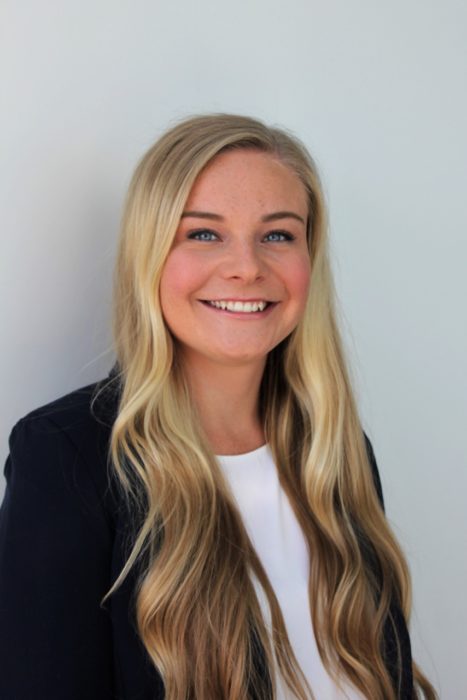
Born in Hobart, Tasmania, 23 year-old Olivia’s fascination for the ocean began at a young age with a father who was a commercial diver, and a big love
for swimming and snorkelling. It was in Year 9 at Taroona High School where Olivia discovered her true passion and love for all things marine in a course called “Exploring the Ocean”. Progressing to the “Advanced Exploring the Ocean” course in Year 10, Olivia gained her PADI Open Water, Advanced Open Water, and Rescue Diver certifications. During her years in High School and College Olivia’s passion for sport, in particular Underwater Hockey increased, where she has been a representative at a State and National level on multiple occasions.
At 19, Olivia began her degree in Marine and Antarctic Science at the University of Tasmania (UTAS), graduating at the end of 2016 with majors in Marine and Antarctic studies, Ecology and Zoology. During this time, she undertook a commercial course in Scientific Diving, receiving ADAS and AAUS certifications. After her undergraduate degree, Olivia received an internship for six-months as a Marine Biologist at one of the most renowned resorts in the Maldives, One&Only Reethi Rah. From here, she received training in Manta Ray and Turtle identification and cataloguing, coral bleaching events, coral restoration projects, Olive Ridley Turtle rescues and Ghost Net removal. She also assisted in turtle DNA sampling, Green Sea Turtle nesting and hatching events, as well as making a positive impact on guests through education and guided snorkelling tours, opening up the marine world to them.
Returning to Australia in May 2017, Olivia worked as a field technician at the Institute for Marine and Antarctic Studies (IMAS) UTAS, where she gained an immense amount of experience and practical knowledge in diving research, providing key research assistance to multiple projects. Additional work at a local dive centre has allowed Olivia to undertake her SSI Dive Master training. Currently completing her honours year with IMAS UTAS, Olivia’s project involves using local divers’ (commercial, recreational and research) ecological knowledge to model and map the distribution and abundance of the range-extending species of sea urchin, Centrostephanus rodgersii, along Tasmania’s East Coast. The diving component of her research utilises closed-circuit rebreathers to collect data from depths greater than 20 metres; a novel contribution to diving research in Tasmania. Olivia’s project aims to address temporal and spatial data gaps, as well as bridging the gaps between industry, science, government and the wider public.
At the conclusion of her honours project, and beginning of her scholarship year, Olivia hopes to be able to make a significant contribution to the underwater world, with her key areas of interest being ecology, Climate Change, bridging the communication gap between the latest science and the public’s knowledge, as well as human interactions and impacts on the marine environment. Receiving the Rolex Scholarship is a great privilege, providing Olivia with an incredible learning opportunity to help develop a career path in a way that will allow her to make the most significant contribution she can to our oceans. This scholarship also provides a platform for Olivia to be an ambassador for the conservation and protection of our oceans, and for women in marine research and diving. Olivia endeavours to give back positively and contribute to the oceans in the same way it has influenced her life.
The 2017 Australasian Rolex Scholar
Melinda Brown
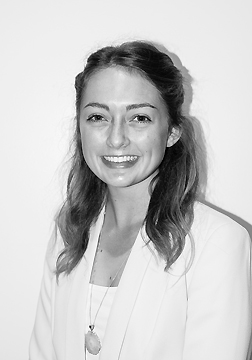 Born in Newcastle, on the east coast of Australia, Melinda Brown has always been fond of swimming, diving and studying everything ‘marine’.
At the age of 19, she enrolled in a Bachelor of Environmental Science and Management with a major in marine science, ecosystems and biodiversity at the University of Newcastle.
Melinda has volunteered with ORRCA (Organisation for the Rescue and Research of Cetaceans Australia), as well
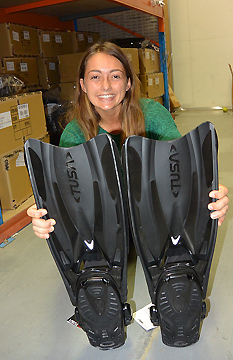
as OCCI (Ocean and Coastal Care Initiative).
Furthermore, Melinda’s volunteer work has taken her abroad where she has worked with turtles in the Maldives and Cos
ta Rica.
Melinda completed her rescue dive certificate and dive master at a conservation dive school in Thailand. After three months she moved to Fiji where she completed an internship on an uninhabited island off the coast of Suva.
At 22, Melinda was offered a full-time position at Taronga Conservation Society Australia (TCSA) as a marine mammal keeper. She accepted the position and continued studying at university part time.
As part of her role at the TCSA, she has assisted research in electromagnetic field comparisons between seals and humans when viewed from a Great White Sharks perspective. She has also tracked testosterone and estrous cycles in Australian Sea Lions and conducted a study on individual behaviour and personalities in Port Jackson sharks.
Melinda’s passion lies with two things; cetacean research and coral rehabilitation.
She said this scholarship would allow her to finally pursue what she has always assumed to be her greatest passion, and ultimately determine what career path she will follow where she will help to make a difference.
The 2016 Australasian Rolex Scholar
Maya Santangelo
I was born in California, USA. From an early age, a love for adventure and nature was encouraged, and it was my Dad’s marine biology background and profound love for the ocean that ignited my interest in marine life. When I was 11, my family relocated to Sydney, where I learned to scuba dive.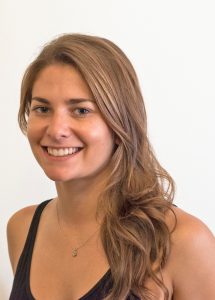
From the beginning, the underwater world captivated my imagination and I knew that diving would play a large part in my life. I developed a close relationship with the local dive shop and spent summers and school holidays as an intern, soaking up as much dive experience as possible. My obsession with the underwater world grew exponentially with everynew experience, and over the years I worked towards becoming a PADI Instructor. My love for diving undoubtedly fueled my interest in marine biology.
In 2011, I began studying a Bachelor of Science at the University of Sydney, eventually transferring to James Cook University to pursue a degree in marine biology. Eager to immerse myself in learning about the underwater world I had grown to love through diving, I became particularly interested in trophic interactions and the functional importance of top predators within marine ecosystems, and learning about effective conservation and management.
After graduating, I undertook a research internship at Lizard Island Research Station, which provided the ideal opportunity to expand my research skills and interests, exposing me to a wide variety of marine research projects on the Great Barrier Reef. I then moved to Palau to work as a professional dive guide with a leading dive center. This experience not only allowed me to get up close and personal with some of the most incredible marine life I could imagine, but was significant in cementing my passions and interests as a marine biologist. Supporting a marine sanctuary though diving tourism was an experience I found both incredibly rewarding and educational, giving me first hand exposure to the world of conservation and understanding how different cultures are intimately linked with the ocean. I jumped at every opportunity and new challenge to apply and foster my knowledge as a marine biologist, taking on roles in education, conservation and research activities, including working with Palau International Coral Reef Center, presenting marine biology lectures to guests, and featuring as a marine biologist on two separate filming assignments.
With more than 10 years of diving, my experiences so far have been hugely rewarding in allowing me to give back a measure of what has been given to me, raising awareness and inspiring a love for the ocean in others. The oceans are as important as they are vast. I am continually inspired with a sense of awe and respect for marine life underwater, and a sense of wonder of the fascinating aspects of life yet to be explored. Committed to life as an ocean ambassador, I hope to make positive contributions to our world underwater by engaging in scientific research that is critical to developing effective conservation and management of our oceans, and sharing this knowledge, shifting perspectives and raising awareness, to ensure the sustainable use and future of its resources. Receiving the Rolex Scholarship is a tremendous honor and learning opportunity for me to develop a career path into marine research and serve as a positive advocate for the conservation of our world underwater.
The 2015 Australasian Rolex Scholar
Ben Buchan
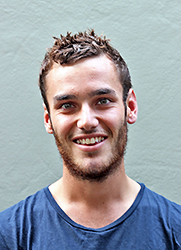
I grew up on the Central Coast, New South Wales Australia, and have lived within 10 minutes of the ocean since I was 11 years old. For as long as I can remember, the ocean has been a major part of my life. Even when I was young I was captivated by life in the ocean and wanted to share my fascination. I first learnt to dive at the age of 15 and have developed an addiction and have since become a scuba instructor so I could share my passion of diving with others.
I completed my undergraduate degree in marine science at Macquarie University from 2011-2014. Throughout my degree I travelled to an island called Koh Rong, Cambodia, as a volunteer in the initiation of an artificial coral reef programme. The reef around the village I stayed in was so degraded from the use of non-sustainable fishing practices, including the use of dynamite. Over this month, the team I was part of removed over 100 nets from the surrounding reef, and focused on teaching the village proper and sustainable fishing practices. It was through this time I realised the significance that education and public awareness has on the conservation and continued protection of the marine environment. I left Cambodia with the desire to share my knowledge and experiences of the ocean with as many people as possible, realising the significance that education and public awareness has on the conservation of continued protection of the marine environment.
As part of my university degree, I secured a volunteer position at Manly SEALIFE Sanctuary where I had the rare opportunity to share the importance of marine conservation with a diverse audience. I continued to work as a Shark Dive Coordinator at Manly SEA LIFE Sanctuary, having the unique opportunity to not only introduce people to the diving experience, but also get them up close and personal with large Grey Nurse sharks.
I recently lived on Heron Island as a dive instructor, educating people about the importance of the Great Barrier Reef. I look forward to the opportunity to add to my list of experiences, and participate in a number of important marine projects throughout the scholarship year
Throughout the scholarship year, I aim to pursue my passion for the underwater world, and gain as much experience as I can in a range of marine disciplines. I want to explore, study and understand as much of the ocean as possible. At the conclusion of my scholarship year, I aim to have chosen a specific field of interest to focus my career, and life on. I have a desire to contribute as much as I can to the marine environment, and aspire to educate communities on the importance of ocean conservation, and sustainable practices.
The 2014 Australasian Rolex Scholar
Courtney Rayes
The 2014 Australiasian Rolex Scholar is Courtney Rayes, 22, from New Zealand. The marine environment has made a significant impact on Courtney Rayes from a young age. Growing up, every holiday her family would camp at Hahei beach on the Coromandel peninsula, New Zealand, making the most of the water—biscuiting, skiing, fishing, snorkeling, kayaking and swimming. Rayes attended schools in Auckland, maintaining a good balance between academic subjects and sporting activities, participating in surf lifesaving at the renowned Piha beach, and a number of water sports: underwater hockey, water polo and canoe polo. 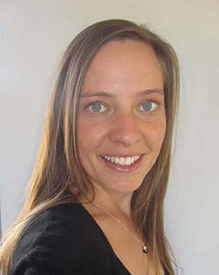
In 2009 she enrolled in a diploma of marine studies at the Bay of Plenty Polytechnic, Tauranga, and was awarded the Kelly Tarlton’s underwater scholarship. The practical aspect of this course was extensive, and within the first year she had gained her PADI open water, advanced, rescue and divemaster qualifications, requiring intensive dive training. She also furthered her theoretical knowledge of marine, terrestrial and freshwater environments, producing two freshwater fish reports amongst compulsory papers. The highlights of the diploma were the 10-day dive trips living on a boat and island, completing underwater scientific surveys as a joint project with the Department of Conservation. Diving at least four times a day in all kinds of conditions, with transects and quadrats, really put her skills to the test, and opened her eyes to the state of the underwater world.
During 2009-2010, Rayes worked as an aquarist at Kelly Tarlton’s in Auckland. The following year she qualified as a PADI dive instructor and took a summer job at Leigh, north of Auckland.
She returned to Tauranga in 2011 to complete her Bachelor of Science in environmental management, focused largely around the terrestrial environment, but this led to her awareness of the importance of connectivity between land, rivers and the sea, and the anthropogenic impacts on the environment.
In 2012, she moved to Hamilton to undertake her masters of biological science at the University of Waikato. Rayes completed the first year of master’s papers, extending on knowledge in freshwater and marine ecology, molecular and statistical analyses, and ecological restoration. She is currently writing her Masters thesis, which has involved a year of research on marine woodborers. At the beginning of 2013, she designed and constructed wooden panels for borer collection, which were attached to numerous wharves around the North Island, New Zealand. She collaborated with a historian to write a paper on the historical impacts and management attempts of marine woodborers around the world, and specifically in New Zealand.
Her primary goal regarding the scholarship is to learn and experience as much as possible, so in turn she can pass this knowledge on to others. Rayes believes awareness and education is vital in initiating and achieving conservation, sustainability, and restoration of the underwater environment. Therefore, she wishes to promote the awareness of underwater issues, and ignite the public’s passion for the marine environment— an entity that is too often neglected.
The 2013 Australasian Rolex Scholar
Stefan Andrews
Stefan Andrews, 24, grew up in sunny South Australia where the ocean played a major role in his life from an early age. Family fishing trips to the Yorke Peninsula sparked his excitement for marine life and soon his interests steered towards exploring the mysterious depths of the cool southern ocean.
Local dive sites boasted a huge diversity of life which captivated his attention and within months of his first diving certification, the family boat was swiftly converted from fishing vessel to dive boat and his journey began.
Throughout his time studying Marine Biology at the University of Adelaide, Stefan connected with other enthusiastic young divers keen to explore, learn and gain diving experience and qualifications. Stefan developed his boating and diving leadership skills through planning trips to a variety of ship wrecks, offshore reefs and other local dive sites throughout the state and by his final year of university Stefan had started professional level
training at the local dive centre where he gained valuable experience assisting well-respected instructors teach diving courses in often challenging conditions. By the end of the year, he was ready for his instructor course in the isolation of Vanuatu in the South Pacific.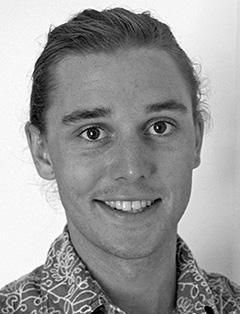
On return, the young marine biologist diving instructor spent the scorching south Australian summer developing his skills as an instructor through a variety of courses, sharing his passion for diving, photography, the environment and marine life with each student taught.
As the water temperature dropped in South Australia, so did diving business and Stefan made no hesitation in taking his newly developed experience as a young diving professional to the diving capital of Australia, Cairns. Within days of arrival, Stefan had a position as a marine biologist tour guide responsible for a busy dive deck on a large day trip vessel to the Great Barrier Reef. Stefan thrived on each day’s challenge of taking excited tourists on their first ever diving experience while educating them about the fish species, corals and environmental threats.
Throughout his time in Cairns, Stefan was inspired by fellow instructors to continue his journey of exploration of new places, cultures and people. At the end of the high season in Cairns, Stefan packed up once again and moved to a tiny island in Thailand’s Andaman Sea, named Koh Phi Phi. The relaxed atmosphere of island life enabled Stefan to provide a more personalised diving experience for his students and truly express his deep passion for diving through every diver he met.
Throughout his time in Thailand, environmental concerns raised by other experienced divers resonated strongly within his mind as he was unremittingly reminded of the destruction of aquatic environments worldwide. The confronting reality that the structure and health of this newly discovered underwater world was declining at such a rapid rate instilled within him a devastating realisation. At this point, Stefan knew it was time to embrace his marine biology background and make a contribution to the scientific community. He moved to Perth to begin an honours project involving habitat forming seaweeds which structure temperate water ecosystems and support biodiversity.
Stefan’s early days in Perth involved volunteering as a research assistant to gain local knowledge and assist with experiments, data collection over hundreds of kilometers of breathtaking coastline. His own research project then focused towards a widespread endemic seaweed species, Scytothalia dorycarpa which retracted form its northern distributional limits following a recent marine heat wave in south-western Australia. Stefan’s research confirmed suggestions that the early life history stages of this seaweed were particularly sensitive to temperature and the species may act as a valuable indicator for climate related ecosystem stress in temperate Australian waters.
Recently, Stefan has returned to his home town of Adelaide for the summer to continue teaching friends to dive and practice his skills in underwater photography and videography while he plans his next move pursuing his ambitions, continue raising environmental awareness and introducing people to the underwater world.
The 2012 Australasian Rolex Scholar
Yoland Bosiger
Growing up on a sailing boat and circumnavigating the world until I was eight years old, gave me an early taste for the wonders of the ocean, travel and adventure. In my last year of high school I did my first ever SCUBA dive and was hooked immediately. The following year I began working on a local dive boat, during which time I received my Padi Dive Master and was responsible for supervising the daily running of the vessel, conducting marine talks, snorkel tours and guiding divers. I also became heavily interested in photography and was given responsibility for all underwater photography on the boat.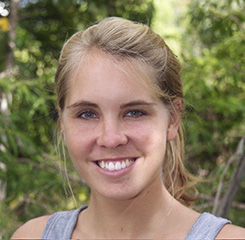
My strong connection with the marine environment meant that I became aware of the threats these wonderful places were being exposed to, leading me to peruse a combined Bachelor of Science (Marine Biology)- Bachelor of Laws degree at James Cook University (JCU). I threw myself into learning as much as I possibly could about marine conservation and ecology, whilst maintaining my passion for diving and adventure. During my degree, I was Dive Officer of the JCU Dive Club, within which time I organised dive trips, social events and guided divers.
I also volunteered for the Minke Whale project and Eye to Eye Minke Whale Encounters where I taught marine ecology to American university students. During my university holidays I continued to work as a diving and sailing guide.
Throughout my degree, I have gained practical field experience by helping PhD students with their research, including recently travelling to Fiji to help monitor the effect of Marine Protected Areas on herbivorous fishes. Volunteering has taken me to South Africa, where I assisted students at the South African Marine Predator Lab, and to Manaus, Brazil where I conducted research at the National Institute for Research in the Amazon. My passion for conservation and travel has also led me to organise a cycling trip around Patagonia, South America, to raise awareness of sustainable travel. My story and photos have been published in the Australian Geographic Outdoor Magazine.
Since beginning my Bachelor of Laws degree, I have regularly volunteered at the Environmental Defenders Office, a community legal center dedicated to protecting the environment. As a volunteer and legal placement student, I have been involved in writing submissions for the reform of shipping regulations to protect the Great Barrier Reef, drafting development appeals and educating community members about environmental law. In 2010, I was also employed by the ARC Centre of Excellence for Coral Reef Studies to examine treaties that apply to marine resources in the Coral Triangle region. My research identified overlaps in legislation and aimed to improve legislative efficiency in preserving marine resources.
On finishing my undergraduate degree I began an Honours project in marine fish behaviour, during which time I learned to quantify fish behaviour, catch fish, and run laboratory experiments. I recently received a 1st class Honours result and have had my research accepted for publication in a high impact scientific journal. I am a highly motivated, hard working student who loves adventure, travel, and working outdoors. I have a strong academic record including admission to the Dean’s List and recipient of the Queensland Environmental Law Association Prize for the highest results in the subject Environmental Law.
The 2011 Australasian Rolex Scholar
Anthea Ibell
We descend down on the encrusted bow of the Mokoia wreck, making our way through bladder-kelp, along windows and fallen walls, search in nooks for cod and crayfish, and swim amongst schools of Blue Moki.
Over the summer of 2007 I took a PADI Open Water, Advanced and Rescue Diver course at Dive Otago. We were lucky enough to dive on wrecks everyday at Aramoana, which made the experience otherworldly. I am fascinated by the underwater world and passionate about its protection. I believe that by making changes in the way we live, we can ensure that animals like whales and sharks, and ecosystems such as reefs and kelp forests are here for years to come.
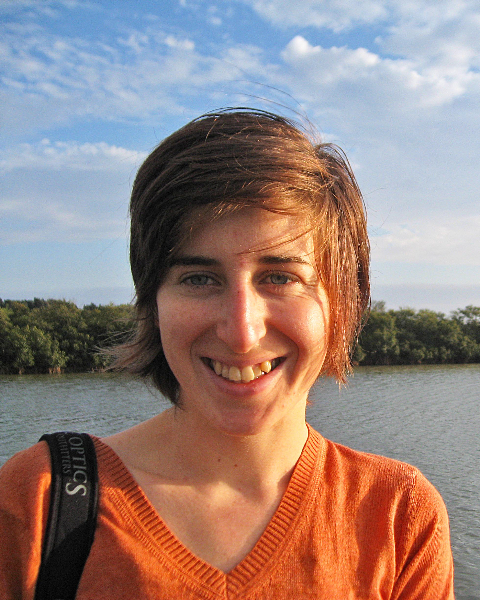
Growing up in Christchurch, New Zealand, I had lot of access to the ocean on holidays, when the family would all head to the holiday house in Marlborough Sounds. Days out on the boat would occasionally gain spectacular views of pods of dolphins, and walking on the jetties we would keep our eyes peeled for sting rays and starfish. At high school my ambition was to become an underwater photographer. My all girls’ school didn’t offer photography classes so I walked to the brother school for film photography lessons.
I took chemistry and biology throughout high school and upon finishing enrolled at Otago University. My fist year at university I completed cell biology, animal physiology and statistical classes needed for a Bachelor of Science. Over the summer of 2007 I enrolled in a PADI course. On completing my Rescue Diver Course I knew that I loved diving and the experiences I had had, so I enrolled for the PADI Open Water Instructor course. The course was a lot of hard work; both physically and mentally.
I got fit fast and quickly gained confidence in my diving and teaching abilities. We dived in often challenging conditions and winter temperatures, completed numerous class, pool and open water presentations, gained a MEDIC first aid instructor certificate, National Certificate in Retail and carried out two practicum’s away – including a week in Milford sound and a week research diving in the Catlins. By the end of 2008 I had gained my Divemaster, Open Water Instructor, and five Specialty Instruct certificates including night, deep, digital underwater photography, wreck and AWARE Fish ID.
In 2009 I spent four months traveling around North and South America. I had an amazing time and fell in love with every country and culture I experienced. Diving in Ilha Grande, Brazil was my introduction to tropical ocean environments; the lagoons were picturesque and we saw a variety of sea life including puffer fish, sea snakes, and sea turtles. Traveling allowed me to meet extraordinary people, and opened my eyes to different cultures and world views. The biodiversity of the different countries excited my interest and upon returning home I quickly returned to university to gain a Bachelor of Science in Zoology.
My passion for the ocean is fueled by the idea that these wonders might not always be here. I aim to educate people about the vulnerability of the ocean environment through Conservation Awareness week, Project AWARE beach and underwater clean up days and generally in my everyday life. I am passionate about including routines in our lifestyles such as recycling, reusing and conserving resources, which have an impact on the environment.
I am currently working as a dive instructor while I continue my studies toward a BSc in Zoology. I am an avid photographer and passionate about all wildlife. Instructing Open Water students allows me to feel like each dive is my first; the excitement and satisfaction is continuous. Having an influence on the student’s views of the underwater world, I try to help them appreciate how lucky we are to be able to have such amazing experiences and encourage them to be passionate about preserving the underwater world.
The 2010 Australasian Rolex Scholar
William Arlidge
Since a very early age William Arlidge has had an affinity with the ocean. His family would often get him to relate his dream job to friends and, expecting a five year-old boy to have aspirations to become a fireman, or an astronaut, they would laugh in surprise when he would proudly state, “when I grow up, I want to become a marine biologist!”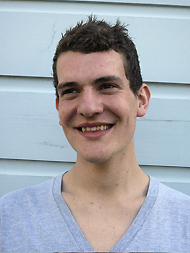
Will has always been interested in the interactions between animals in nature, and in July 2005, he enrolled at Victoria University of Wellington (VUW) for a Bachelor of Science, majoring in Marine Biology, with a second major in Ecology and Biodiversity.
After completing his second year of university Will found his true passion for the underwater world; he decided to do his Open Water Diver certification and was instantly addicted. Finding everything about diving enthralling, it allowed him to enter into the environment he had been studying on paper, to gain a first hand account of the ecological interactions his lecturers had excitedly explained to him. Since his first breath taken on a regulator, Will was hooked, and he knew then that diving would play a major role in the rest of his life. After his Open Water certification he instantly signed up to do an Advanced Open Water Diver certification, adamant he hadn’t had enough.
Having finished his Bachelor of Science at the end of 2007, Will went on to begin his Masters of Marine Biology. Focusing on reef-building corals, looking at viral communities associated with corals in relation to environmental impacts. Will was fortunate to undertake his data collection on Palmyra Atoll in the Central Pacific, and Coconut Island, Oahu, Hawai’i.
Following his field research he became a dive club member of the local dive shop, and was offered an internship to complete his Divemaster. The experience he gained via his internship was invaluable, making a number of important contacts and dive buddies along the way. During his internship he also undertook his Enriched Air Nitrox certification, opening the door to technical diving. In the past year he has continued to dive extensively with a number of VUW marine biology students, helping to collect data for multiple PhD and Masters Theses.
Will has orally presented his own Masters work at two scientific conferences; the New Zealand Marine Science Society conference in Auckland, and the Australian Coral Reef Society in Darwin, Australia. Both were amazing experiences that allowed him to network and forge important contacts. Will also volunteers with a program called Educating Kids About Marine Reserves (EMR) through the summer. He finds volunteering extremely rewarding, as he feels education plays a vital role in long-term conservation.
Whether diving in the warm waters of the Poor Knights, or in the near zero visibility of Wellington harbour – Will always try to take something new from every experience.
The more he dives, the more his love for the underwater world continues to grow exponentially, a passion that is inseparable from his want to make a difference in conserving the marine ecosystem. Will feels prepared both in his diving skills and his mental attitude towards tackling the role of becoming the next OWUSS Australasian scholar. Will says, “This is a role I will take on with all the passion, enthusiasm, interest, and drive I hold for the underwater world”.
The 2009 Australasian Rolex Scholar
Matt Carter
Matthew Carter, 24 years old from Dunedin, New Zealand has been chosen as the 2009/10 Our World-Underwater Scholarship Australasian Rolex Scholar. Matthew has a First Class Honours degree in Archaeology from the University of Otago, NZ and a Graduate Diploma in Maritime Archaeology from Flinders University, Adelaide, Australia.
The Selection Panel all feel Matthew has the strength of character and determination to excel in his role representing the Scholarship Society and, as with all Scholars past and present, to continue with a career in or around the marine environment and become a leader in his chosen field.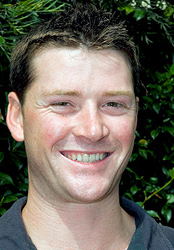
This is his story:
Growing up on the flat plains on the East Coast of the South Island of New Zealand Matt’s early views of the world were dominated by two opposing forces: to the west, huge snow capped mountains and the east, a cold blue sea that extended all the way to South America. In this imposing landscape he soon developed a deep love and respect for the sea, lakes and waterways cutting through the province.
As a child Matt spent as much time as possible swimming, kayaking and generally exploring his watery back yard. His curiosity was encouraged by his parents who used family holidays as an opportunity to visit beaches and lakes. One such holiday took them to Fiji where he spent an amazing week snorkelling on coral reefs. At 16, his fascination with everything aquatic launched into a full-blown obsession when his biology teacher, also a dive instructor, taught Matt to dive.
His first breaths underwater were an absolute rush, opening up a world he had never imagined, one that has now become an integral part of his life and which he can never imagine giving up.
Just looking was not quite enough, Matt was increasingly intrigued about ‘why, what and how’. What past events acted to shape it and what forces were still at work today? These thoughts took Matt back to the past, especially as it related to peoples’ interactions with the marine environment and how this relationship continues to impact the modern world. His desire to learn and his passion for exploration resulted in a BA at the University of Otago, majoring in Archaeology. As his studies progressed, he became increasingly drawn to the possibilities archaeology offered for investigating the evidence of past human interaction with the marine environment and how this could inform us about the modern day underwater world. Accepted into the Honours programme in the 3rd year and then undertook a dissertation investigating the management of underwater archaeological sites in New Zealand in the 4th, resulted in a First Class Honours degree in Archaeology.
Matt is Gear Officer and Member of the Executive of the University of Otago Dive Club.
In 2007 Matt enrolled in a Graduate Diploma in Maritime Archaeology. However, as no universities in New Zealand can offer this course, Matt studied at Flinders University in Adelaide. This study introduced Matt to the amazing world of underwater archaeology and to the use of different sources of evidence in order to interpret how people interact with the sea. It also included a three week field school, which introduced Matt to the difficulties, and rewards, of undertaking scientific work in an underwater environment. Matt is now an Advanced, Rescue and Dive Master, with the intent to proceed further into the areas of Tec diving and professional dive development.
In 2008 Matt was awarded the University of Otago Postgraduate Scholarship for Masters Research and subsequently enrolled in the Master of Arts Degree in Archaeology. His Masters thesis involves (1) an investigation into the ways in which prehistoric Maori and later European populations interacted with the marine environment of the Otago Harbour and (2) how this interaction has shaped the seascape into what we see today in terms of altered landscapes, reduced marine flora and fauna and polluted waterways. Currently, he is mid-way through his research.
Matt heard about the Our World Underwater Rolex Scholarship through the University and is absolutely thrilled to be the winner of this amazing Scholarship and is looking forward to a year of exploration with fellow divers, scientists and archaeologists.
The 2008 Australasian Rolex Scholar
Steve Lindfield
Steven Lindfield, 23 has been chosen as the Australasian Rolex Scholar for 2008/09.
Steve grew up on the Central Coast of NSW, Australia. Living close to the ocean and estuaries he grew up surfing, fishing and snorkeling as much as he possibly could. Steve was introduced into the world of fish by his father, now a commercial fisherman; going fishing was a regular activity and the family would spend their holidays snorkeling and catching tropical fish for their aquarium.
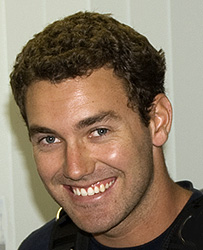 These previous experiences led Steve to pursue a career in marine science; it was either that or become a commercial fisherman. Steve spent many hours in the water free diving around his local reefs but it wasn’t until the start of his Bachelor of Science degree at the University of Newcastle in 2003 that Steve got together a group of friends for their Open Water certification, and soon after they were running the university SCUBA club with Steve as president.
Steve continued his diving qualifications, with Advanced, Rescue and Scientific Diver qualifications in successive years. Currently Steve has logged over 200 dives in a variety of conditions; he has actively helped other university students on their diving projects, and explored many of his local offshore reefs and has been on three diving trips to the Great Barrier Reef. Photography has always been one of his underwater interests and Steve said “SCUBA made it much easier to take good photos”. Steve is also an active member of his local diving club, Terrigal Underwater Group, and is currently helping them to participate in marine science research for the future sinking of a large artificial reef; the HMAS Adelaide.
By the end of 2007, Steve completed his Honours degree. His research involved using baited underwater video cameras to investigate the diversity and abundance of reef fish in the nearby Port Stephens-Great Lakes Marine Park. For this research Steve achieved the highest possible grade (Class 1) and had already co-authored an international scientific paper. Steve also attended two Australian fish biology conferences and last year was awarded Gilbert P. Whitley award for best junior student oral presentation.
Steve is looking forward to finally travelling overseas and experiencing other cultures and the full diversity of marine life. He hopes to use his experiences as a fisherman, scientist and conservationist to provide an unbiased perspective to marine conservation. He hopes to further promote understanding of the marine world for others with the eventual aim of maintaining or enhancing the marine environment for future generations. “It is the ocean and marine life that has given me so much pleasure and I will do my best to protect it for others.
The 2007 Australasian Rolex Scholar
Mat Kertesz
For the past 32 years the Our World-Underwater Scholarship Society (OWUSS) has offered scholarships in the USA and more recently Europe.
In April 2006 the Our World – Underwater Scholarship Society with the support of Rolex expanded its outreach to offer an Australasian Scholarship.
The Rolex Scholarships provides a hands-on introduction to the underwater world and other aquatic related endeavours for young people with an interest in underwater related disciplines. This permits career decisions to be based on “hands on” work experiences.
The selected Rolex Scholars are perceived to have the potential to make a significant contribution to the underwater world, even though he or she may not yet have chosen a specific career path. The goal is to foster development of the future leaders of the marine environment. The Society continues to believe that by investing in special young people, by exposing them to a broad array of activities in the underwater community and by giving them opportunities to work with influential people who are leaders in aquatic disciplines, it is investing in the future of our underwater world.
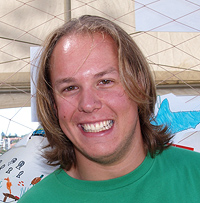 For our first year we had an impressive list of entries. It was a difficult choice getting to the two finalists. For the two finalists we ran a panel interview. There were four panel members, Sue Crowe, Tabata Australia, Peter Fields, diving icon, David Harasti, NSW Fisheries and myself, Jayne Jenkins as the Australasian coordinator. After a tough decision we awarded the first Australasian scholarship to Mathew Kertesz.
Mathew holds a Bachelor of Marine Science majoring in marine biology at Macquarie University in North Ryde, Sydney.
Mathew’s goals as a scientist during the scholarship year; he hopes that he can significantly contribute to our understanding of how marine ecosystems function – the intricacies, the great and the subtle ways that all levels of biodiversity interact to comprise the extraordinary communities that exist in even the simplest of marine environments. His key area of interest is fish and fish communities. An avid snorkeller since the age of five and always fascinated by fish of all shapes and sizes. Throughout his lifetime, fish communities have come to the forefront. The conflict between conservation and the need to sustain the ever-increasing human population and over harvesting has led to the collapse of many coastal fisheries. As a marine scientist, he wishes to contribute to a greater understanding of our marine environment so that fish communities will thrive into the future.
